
Top Acupuncture Points for Anxiety and Depression

Updated: Oct 3, 2025
This article explores the exact acupuncture points used in treatments to help anxiety and depression. Rooted in traditional Chinese medicine, these powerful points are known to calm the nervous system, balance emotions, and support mental well-being, naturally and holistically.
Acupuncture Pressure Points for Anxiety & Depression
There are some simple acupuncture points that you can try massaging for self-help with anxiety and depression. These points are often utilised in acupuncture research. While self-acupressure is not as targeted or effective as receiving treatment from an acupuncturist, you may find that these offer some relief or are useful adjuncts to use between sessions.
You can use self-acupuncture by massaging or stimulating these points for at least 30-60 seconds. It can also be helpful to combine this with some deep relaxed breathing for a stronger effect.
3 Points For Anxiety Disorders

Nei Guan (Inner Gate - PC6) is located in the middle of your wrist, approximately three finger widths up from your wrist crease, between the tendons. Stimulating this point can be effective in easing anxiety, as it is traditionally used to benefit the heart, which is seen as the home of the mind and experience of emotions. It is an easy point to access in moments of acute anxiety, like in a panic attack.

Yin Tang (Impression Hall) is located between the eyebrows, where the third eye would be. This point is frequently used to calm the mind and to promote relaxation. It can be a useful one to massage before going to bed to help with sleep.

Yong Quan (Bubbling Spring KD1) is located on the sole of the foot, in the depression of the upper third. This point is used to help anchor the mind, bringing down excess activity out of the head. This point is on the Kidney channel which is associated with our fear response, and so is particularly helpful to use when that is a part of the anxiety. You can also stimulate this point by rolling on a tennis ball, or taking a regular foot soak using magnesium salt flakes to help relax the nervous system.
3 Points For Depression
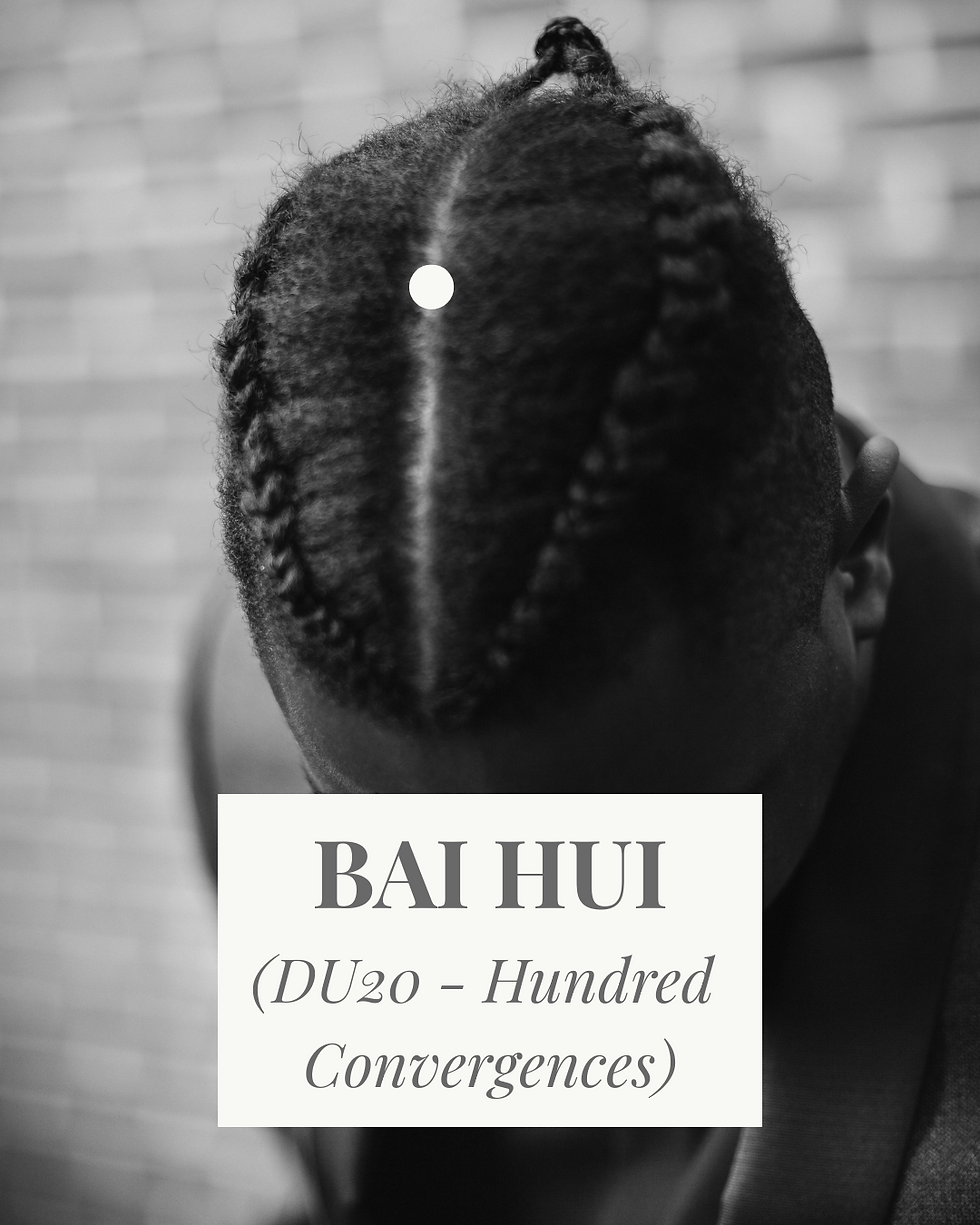
Bai hui (Hundred Convergences DU20) is located in the middle of the highest point of the head, roughly in line with the tips of the ears. It is used to help clear the mind as well as raise circulation to the head and boost energy. This point may also help reduce depressive symptoms.

Tai Chong (Great Rushing LR3) is located in between the metatarsals of the big and second toe. This point is used when there is tension and restriction within the mind or body to help improve flow. This point is on the Liver channel and so is good for issues with irritability, frustration and anger as these are the emotions processed by the Liver in TCM. It may also be beneficial for alleviating depressive symptoms.

Chi Ze (Marsh at the Bend LU5) is located on the inside of the elbow, in-line with the thumb, next to the bicep tendon. This point is used to benefit the Lungs and chest. Often the depth and quality of breathing is restricted with depression, so this point is used to help restore deeper breathing. The Lungs also process grief and so this is a good point if that is part of the depression. This point can support the reduction of depressive symptoms.
About Acupuncture

Acupuncture is a cornerstone of traditional Chinese medicine, practiced for thousands of years to support health and well-being. This ancient technique involves the gentle insertion of thin, sterile needles into specific pressure points on the body, known as acupuncture points. By targeting these points, acupuncture aims to stimulate the body’s natural healing processes and restore healthy circulation within the body.
Acupuncture has become increasingly popular as a complementary and integrative health approach, especially for those seeking alternatives to conventional treatments for anxiety disorders, such as generalised anxiety disorder and panic attacks. Many people find that acupuncture not only helps with mental health concerns but also supports pain management, making it a valuable addition to daily life.
Understanding Anxiety and Depression from a Holistic Perspective
Anxiety and depression are among the most prevalent mental health conditions affecting Australians today. According to Beyond Blue, anxiety affects 1 in 4 Australians at some point in their lives, and depression impacts approximately 1 in 7. These are among the most common mental health issues in Australia.
When our mental health is affected, it’s not just our mind that suffers. Our quality of life, relationships, work and body can also be negatively impacted. We may experience symptoms such as persistent worry, fatigue, sleep disturbances, chronic pain and changes in appetite or concentration. Risk factors such as genetics, environment, and stress can contribute to the development of anxiety and depression. Both anxiety and depression are treatable conditions, so it’s important you seek support when needed.
The integration of Traditional Chinese Medicine (TCM) practices like acupuncture into Australian healthcare has grown significantly over recent decades. Oriental medicine encompasses acupuncture and other holistic practices for mental health. Many Australians now seek complementary therapies alongside conventional treatments, aligning with modern understanding of mental health as a complex interplay of biological, psychological, and social factors.
How Acupuncture Works

Acupuncture works by stimulating specific acupuncture points on the body, which in turn helps regulate the nervous system and restore smooth flow of circulation. This process can be especially helpful in reducing anxiety symptoms, such as chest tightness, palpitations, and feelings of restlessness. While the exact mechanisms are still being explored, research suggests that acupuncture may influence the release of key neurotransmitters like serotonin and dopamine, which play a crucial role in mood regulation and emotional well-being.
Additionally, acupuncture may help modulate the body’s stress response by lowering levels of stress hormones such as cortisol. By applying firm pressure or inserting needles at targeted points, practitioners can help calm the nervous system, making it easier to manage anxiety disorders, including generalised anxiety disorder. This calming effect not only eases anxiety but also supports relaxation and overall balance in the body.
Acupuncture is often used alongside other therapies, such as medication and talk therapy, to provide a more comprehensive and effective treatment plan. By addressing both the physical and emotional aspects of anxiety, acupuncture offers a holistic approach that can help reduce anxiety, improve certain symptoms, and support long-term quality of life.
Acupuncture Treatment Types used for Anxiety and Depression
There are several types of acupuncture treatments that can be particularly effective. Other treatments for anxiety and depression may involve different protocols and point selections, depending on the individual's needs and the underlying TCM diagnosis.
Distal acupuncture involves using acupuncture needles at points primarily below the elbows and knees to create systemic effects throughout the body. These powerful channel points can influence areas far from where the needles are placed, making them especially useful for regulating mood and emotional states.
Local acupuncture focuses on specific areas where tension and stress are held, particularly in the neck and shoulder muscles where anxiety often manifests physically. This includes dry needling and trigger point therapy.
Electroacupuncture combines traditional needle placement with gentle electric stimulation applied to the acupuncture needles to enhance the therapeutic effects, providing deeper muscle relaxation and regulation that can be particularly beneficial for those with chronic anxiety or depression.
Most acupuncture treatments for anxiety are based on TCM principles and may include scalp points such as those on the "governing channel", which is important for regulating yang energy, calming the mind, and nourishing the brain.
Can Acupuncture Help with Anxiety and Depression?
Acupuncture may help to regulate mood, sleep, and emotional balance through its effects on the nervous system and brain chemistry. Research shows that acupuncture stimulates the release of endorphins and other neurotransmitters that promote feelings of relaxation. The effects of acupuncture include modulation of neurotransmitter levels and activity in brain regions associated with mood and anxiety, supporting its role in improving your emotional state.
One person’s anxiety or depression will not be the same as the next person’s, and so an individualised approach is always best where possible. This means treating you as a whole person, considering not only your mood, but also your stress response, quality of sleep, digestive health, energy levels, pain and everything else. Acupuncture may help ease certain depressive symptoms as well as anxiety, supporting your body to function better as a whole, rather than just trying to mask symptom.
Today, many people are seeking complementary and integrative health solutions that address their concerns from multiple angles to get the best results. Acupuncture fits perfectly into this model, offering a natural way to enhance the effectiveness of traditional treatments while providing additional tools for managing stress.
Preparing for Acupuncture
Before starting acupuncture treatment for anxiety or depression, it’s important to find a certified practitioner with experience in treating anxiety disorders. Consulting with a healthcare professional can help you identify a licensed acupuncturist who is well-versed in TCM and understands your unique needs.
During your initial consultation, your practitioner will take the time to discuss your medical history, including any previous experiences with anxiety symptoms or other concerns. This thorough assessment allows them to create a personalised treatment plan tailored to your specific issues and goals. Your plan may include a combination of acupuncture, herbal medicine, and other TCM techniques, such as meditation.
What to Expect During an Acupuncture Session in Australia
When you visit a licensed acupuncturist in Australia for anxiety or depression treatment, your first session will typically begin with a comprehensive consultation. Your certified practitioner will review your medical history, discuss your current symptoms and treatment goals, and may perform Traditional Chinese Medicine assessments such as tongue and pulse diagnosis to understand your unique constitution and patterns.
During the treatment itself, your acupuncturist will use acupuncture needles that are sterile, single-use, and much thinner than medical injection needles. The insertion is typically painless or causes only minimal sensation. For anxiety and depression, acupuncture needles are commonly placed in points on the limbs, head, and maybe ears. You’ll then rest quietly for 20-30 minutes while the needles remain in place, allowing your system to shift into a relaxed state.
Most people find acupuncture sessions deeply relaxing, with many patients falling asleep during the session. The duration and frequency of sessions will depend on your individual needs, but typically are scheduled weekly initially, then spaced further apart as symptoms improve. Common side effects are minimal and may include slight soreness or small bruises at needle sites, which resolve quickly.
How many Acupuncture Sessions will I need for my Anxiety?
Most acupuncture treatments involve a series of sessions over several weeks, as this approach is generally required to achieve meaningful and lasting improvements. As a general guideline, most people begin to notice improvements within 4-6 weekly sessions, with more substantial changes typically occurring after 8-12 sessions. For chronic anxiety or depression, longer courses may be necessary to achieve lasting results.
Those with acute episodes may benefit from twice-weekly sessions initially to help stabilise their nervous system more quickly, while those with milder cases might respond well to weekly sessions from the start. Acupuncture treatments are tailored to individual needs, ensuring that the frequency and techniques used are best suited to each person. Eventually the goal is to space out treatments to a maintenance rhythm or only as needed.
In my clinical experience, patients who commit to a complete course and make supportive lifestyle changes tend to achieve the best long-term results. Many find that after completing their initial treatment series, they can maintain their improvements with monthly maintenance sessions or return for “tune-ups” during particularly stressful periods. The goal is always to help you develop the tools and stability needed to manage your mental state independently.
Scientific Evidence for the Effect of Acupuncture on Mental Health
Peer-reviewed research has increasingly demonstrated acupuncture’s effectiveness for mental health conditions. Many clinical trials use sham acupuncture as a control to assess the true effectiveness of acupuncture. A 2021 systematic review found that acupuncture was more effective than standard care alone for generalised anxiety disorder, with benefits typically appearing within 6 weeks of starting.
Research on the effect of acupuncture for major depressive disorder has shown particularly promising results when combined with conventional treatments. Some studies specifically focus on major depressive disorder and indicate that patients receiving both antidepressant medication and acupuncture show greater improvement than those receiving medication alone. The effects appear to be dose-dependent, with more frequent treatments producing better outcomes for panic attacks and severe depression.
While there is still a need for more research and better quality studies, global advances are being made, and the current evidence is very promising for acupuncture’s role in mental health care. Studies suggest that acupuncture works by modulating neurotransmitter activity, reducing inflammation in the brain, and promoting neuroplasticity – the brain’s ability to form new neural connections. This multi-faceted approach helps explain why acupuncture can address both the physical and emotional aspects of anxiety and depression.
Acupuncture vs. Other Natural Remedies for Anxiety and Depression
When comparing acupuncture with other alternative medicine approaches, several key advantages emerge. Acupuncture is one of several alternative treatments for anxiety and depression, offering a non-conventional option for those seeking relief when traditional methods are ineffective or during pregnancy. Unlike herbal medicine, which may interact with medications or cause side effects, acupuncture works by stimulating the body’s own healing mechanisms without introducing external substances. This makes it particularly suitable for people who are already taking psychiatric medications or have sensitivities to supplements.
Alternative therapies like essential oils, Tai Chi (taiji quan), meditation, and other home remedies can work wonderfully alongside acupuncture treatment. Aromatherapy can provide immediate mood benefits between sessions, while mind-body practices like Tai Chi and meditation help maintain a balanced state. Acupuncture can also help with physical issues such as muscle pain that may accompany anxiety and depression.
The National Center for Complementary and Integrative Health emphasises the importance of evidence-based integration of complementary therapies with conventional medical care. Their recommendations support using acupuncture as part of comprehensive plan that may include multiple modalities, always in consultation with healthcare providers to ensure safe, coordinated care.
Who Should Consider Acupuncture?
People with chronic stress, generalised anxiety, major depression, panic attacks, persistent worry, insomnia or preoperative anxiety may all benefit from treatment. People who feel stressed may also benefit from acupuncture, as it can help promote relaxation and restore balance. Those who have tried conventional treatments with limited success, or who experience side effects from medications, appreciate acupuncture. It’s particularly valuable for individuals seeking a holistic approach that addresses both mental and physical issues, with less potential risks than traditional medications.
Special considerations apply to certain populations. Pregnant women can receive acupuncture for anxiety and depression, though certain points are avoided and treatment approaches are modified. Those taking psychiatric medications can typically receive acupuncture without concern about interactions, though it’s important to inform both your acupuncturist and prescribing physician about all treatments you’re receiving.
People with bleeding disorders, compromised immune systems, or serious medical conditions should discuss acupuncture with their healthcare providers before beginning treatment. However, these conditions don’t necessarily preclude acupuncture treatment – they simply require additional precautions and possibly modified techniques.
Is Acupuncture Right for Your Mental Health Journey?
Acupuncture offers significant potential benefits for both anxiety and depression, including improved mood regulation, better sleep quality, reduced physical symptoms, and enhanced emotional resilience. Many patients find it helps them feel more like themselves again – calmer, more energetic, and better able to cope with life’s challenges. This can be particularly valuable for addressing the physical issues that often accompany mental health conditions. In addition, it can be a valuable tool for managing a variety of mental health issues, especially when traditional treatments are ineffective or not preferred.
If you’re considering alternative treatments for anxiety or depression, the best way to determine if it’s right for you is to try a course of treatment with a qualified practitioner. Many people are pleasantly surprised by how relaxing and beneficial they find the experience, and how much it can contribute to their overall mental health and quality of life.


Comments